Pokhara is one of the most visited cities in Nepal and one of the most misunderstood. The version most travellers experience — the strip of cafes, gear shops, and rooftop restaurants along Phewa Lake's eastern shore — is comfortable and convenient and almost entirely disconnected from the city that surrounds it. It is possible to spend four days in Pokhara and leave having seen almost nothing of it.
The real city begins where the lakeside strip ends.
Walk north along the lake past the last tourist restaurant and the path narrows. The souvenir shops give way to hardware stores and vegetable markets. Women carry dokos — bamboo baskets — filled with fodder from the hills. The smell changes from coffee and sunscreen to woodsmoke and marigold. This is Pokhara Bazar, the old commercial heart of the city, and it has been here considerably longer than the lakeside strip.
Keep walking north and you reach Bindyabasini Temple, the most important Hindu temple in the Pokhara valley, set on a wooded hillock above the old bazaar. The temple is active in a way that Kathmandu's more photographed sites are not — less preserved, more lived in, with a steady stream of local worshippers who have not come to be observed. The view from the hillock north toward the Annapurna range is unhurried and unframed by any other tourist's camera.
From Bindyabasini, the road west leads to the Seti Gorge — a slot canyon cut through the city by the Seti Gandaki river, so narrow in places that you can step across it while the river roars thirty metres below your feet. There are several viewpoints, all unmarked, all accessible by asking a local. The gorge is geologically extraordinary and almost entirely unvisited.
Bat cave is thirty minutes by bicycle from the lakeside. Davi's Falls, where a river vanishes underground into a whirlpool, is twenty. The old village of Ghalegaun, two hours north by jeep, produces some of the finest Gurung cultural experiences in the Annapurna foothills. None of these appear on the average four-day Pokhara itinerary.
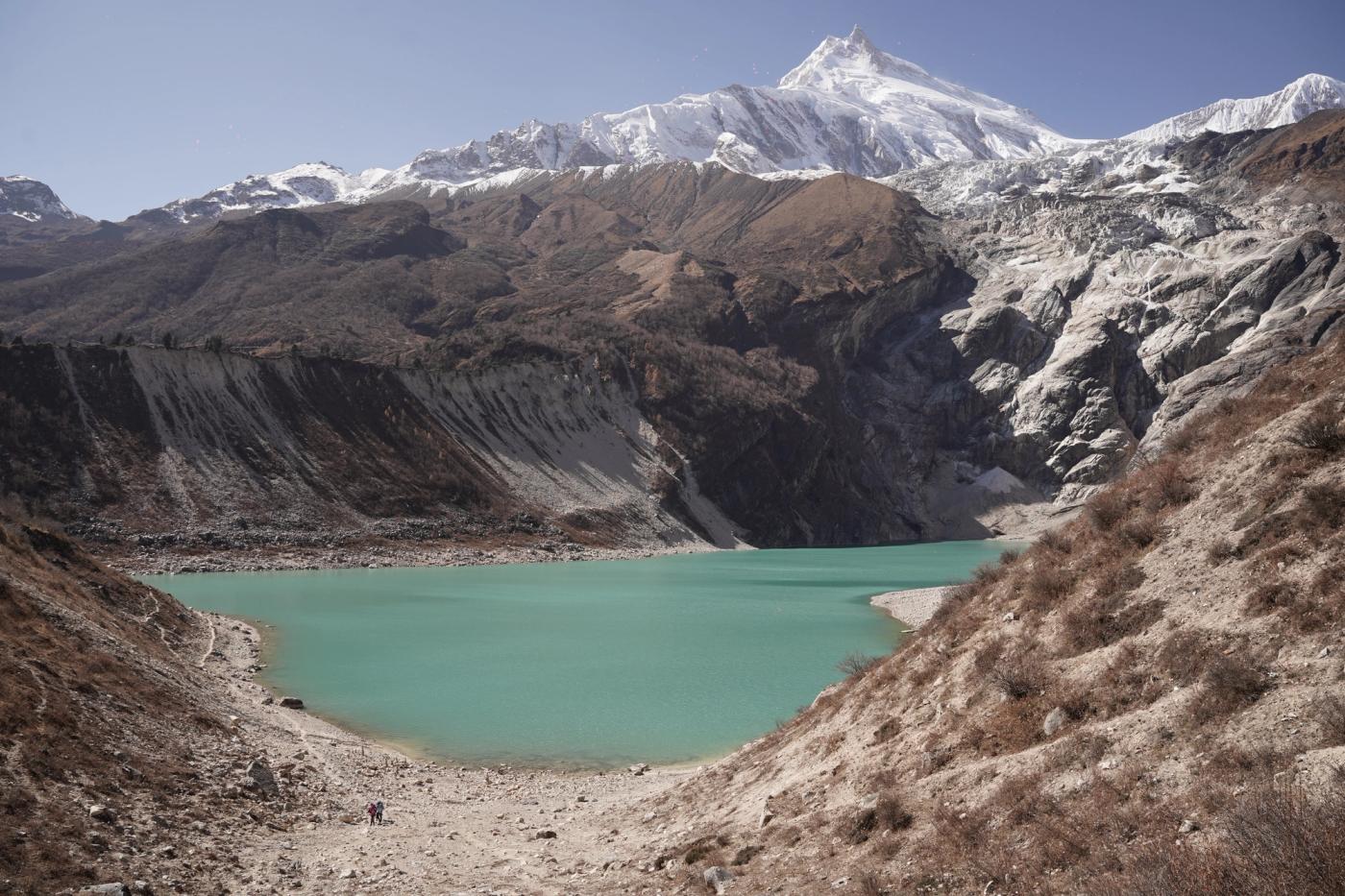
The lakeside strip is not the problem. It is pleasant, it has good food, and the view of the Annapurnas reflecting in Phewa Lake at dawn is genuinely one of Nepal's great sights. The problem is treating it as the whole of Pokhara rather than the edge of it.
An extra half day — just one afternoon redirected away from the cafe and toward the old bazaar, the gorge, and the temple — will produce a version of Pokhara that most visitors never find. That version is the one that stays with you.